Summer Scouting for Mule Deer: The Best Tactics for Archery Success
There's an old saying among western hunters: The season is won long before opening day. When it comes to archery mule deer, that couldn't be more true.
Summer scouting isn't just about finding deer—it's about learning their habits, identifying mature bucks, and building a plan that gives you the highest odds when opening day arrives. Velvet bucks are often predictable during the summer, but that window can close quickly as they shed velvet, bachelor groups split up, and hunting pressure begins.
Here are some tactics that we have found that consistently put archery hunters in position to fill their tags.
Start with Maps Before You Hit the Mountain

The best scouting trips begin at home on your computer with E-Scouting. Programs like OnX, GoHunt and Basemap are valuable tools all year round for scouting. Study topographic maps and satellite imagery to locate likely summer habitat. Focus on high-elevation basins, north-facing slopes, alpine meadows, burns, and pockets of dark timber that provide bedding cover. Mark reliable water sources, saddles, travel corridors, and glassing points before ever leaving the house.
Having a plan allows you to spend more time observing deer instead of wandering through country hoping to find them.
Glass More Than You Walk

One of the biggest mistakes hunters make is covering too much ground on foot. While boots on the ground is important, don't get overly excited to hike to much. Boots on the ground can mean Eyes behind Glass.
Mule deer can often be found by sitting behind quality optics for hours rather than hiking miles through their habitat. Find a good vantage point while E-Scouting and be there before daylight, this allows you to watch bucks feeding naturally as the sun rises. After the morning movement slows, continue picking apart the landscape. Mature bucks often bed in the shade, exposing only an antler tip, ear flick, or patch of gray hide. Often after bedding for the morning the deer will get up around 10 or 11 and relocate to the shade as the sun has moved.
Patience behind binoculars and a spotting scope will reveal deer that most hunters walk right past.
Scout During Prime Activity
Early mornings and the last few hours of daylight offer the best opportunity to observe mule deer.
During the middle of the day, focus on locating bedding areas rather than expecting to see deer feeding. Watching where bucks disappear and their travel routs can be just as valuable as watching where they feed. Look for saddles or other travel corridors that deer will use when moving from feeding areas to bedding areas. Also look for escape routs or secondary locations deer might go if bumped or pressured.
Once you've identified a buck's preferred bedding area, begin studying how he enters and exits the location.
Find Water - But Don't Overlook Feed
Water becomes increasingly important during hot summer weather, but lush feed is equally critical. Deer can get a lot of their water intake from lush feed. Look for green alpine vegetation, mountain springs, creek bottoms, and productive meadows. Bucks generally spend their summer where they can easily meet all three needs:
- Quality feed
- Secure bedding cover
- Reliable water
Areas where all three exist within a short distance often hold mature deer year after year.
Pattern Bachelor Groups

Summer bucks commonly travel in bachelor groups. Finding one good buck often means finding several. Spend time identifying each deer in the group and learning where they feed, bed, and travel. As the season approaches, these patterns may remain surprisingly consistent until bucks begin shedding velvet, and the bachelor groups start to split up.
Knowing the group's routine can help you anticipate where an individual buck will be on opening morning.
Keep Your Distance
The goal of scouting is gathering information—not educating deer. Avoid walking directly into bedding areas or repeatedly checking the same basin. If going in to set or check trail cams, go quietly and quickly to minimize your presence. Trail cams can give you valuable information but use them carefully trying not to disturbe the area. Every unnecessary disturbance increases the chance that bucks relocate before season opens.
Instead, glass from a distance using terrain to stay hidden. If you can watch deer without them ever knowing you're there, you're doing it right.
Watch the Wind

Wind matters during scouting just as much as during the hunt. Always approach glassing points with favorable winds and avoid allowing your scent to drift into feeding or bedding areas.
Learning how daily thermals move through a basin is valuable information you'll use during your hunt. Morning air typically flows downhill before reversing and rising as temperatures increase. Understanding these predictable wind shifts helps you plan safer stalks later.
Check out our previous post about wind thermals. https://sneektec.com/blogs/blog/understanding-wind-and-thermals
Build a Hunt Plan
Finding a buck is only half the job. Ask yourself:
- Where is he feeding at daylight?
- Where does he go to bed?
- Which route does he travel?
- As the buck travels to his bed, what is the wind typically doing?
- What approach could I use to get into the area?
- Where can I close the distance without being seen?
- What backup options (escape routs or secondary locations) exist if he changes patterns or is bumped?
Creating multiple stalking routes before opening day eliminates rushed decisions when the opportunity finally comes.
Prepare for Change
Summer patterns are valuable—but they're not permanent. Wild fires, livestock, hikers, predators, weather changes, and hunting pressure can all influence deer movement.
Have several backup bucks and multiple areas scouted. Flexibility often separates successful hunters from those who spend opening week searching for deer that have already moved.
Final Thoughts
Successful archery mule deer hunters rarely rely on luck. They rely on preparation.
Every sunrise spent behind quality optics teaches you something about the country and the animals that call it home. The more time invested during the summer, the fewer surprises you'll face when the season opens.
Summer scouting isn't simply preseason preparation. It's the foundation of a successful archery mule deer hunt.
© 2026 SneekTec. Designed by DieHard Creative, Inc.






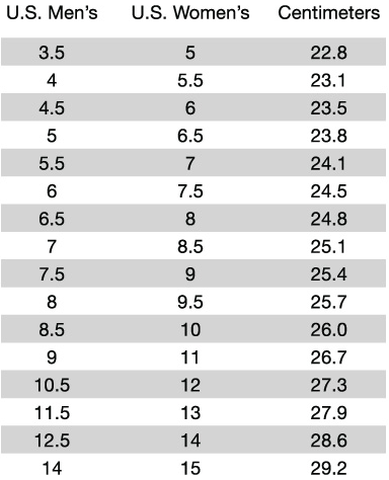
Sizing Chart
Please reference our sizing charts found below to help in ordering the correct size of Sneek Boots and Sneek Scrubs.
Sneek Boots